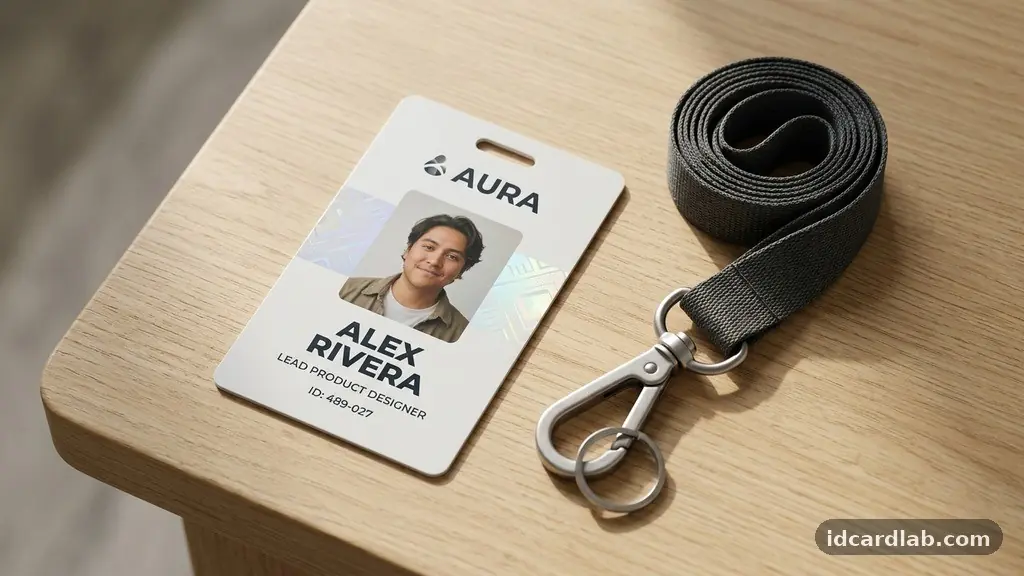
Selecting the right visual strategy for your staff credentials significantly impacts how your team interacts with your physical space. Implementing creative employee ID card design ideas for modern workplaces does more than just grant access; it reinforces company culture and strengthens internal security protocols simultaneously.
By focusing on aesthetic clarity and functional integration, you can transform a standard piece of plastic into a powerful tool for identity and brand cohesion. This article explores twelve distinct approaches to help you balance professional security requirements with the unique personality of your organization, ensuring your staff feels both represented and protected during their daily routines.
Core Identity and Functional Clarity
The most effective way to approach your identification strategy is to prioritize immediate visual recognition. Your design should clearly display the employee’s name, their specific role, and a high-resolution portrait that matches their current appearance. Using high-resolution portrait photography ensures that security personnel can instantly verify identities without hesitation.
A clean, uncluttered layout prevents confusion, especially in larger organizations where staff members may not know everyone by sight. By keeping the design focused on these three pillars—name, role, and face—you create a baseline that works for any industry.
Integrating Modern Technology
Modern security requires more than just a printed name; it demands invisible, reliable data layers. You should prioritize RFID proximity technology or NFC data encoding within the card structure to facilitate contactless access control. These features allow employees to enter secure areas simply by tapping their badges near a reader, which reduces physical wear on the cards and the hardware.
When you blend these technical requirements with a sleek, minimalist branding aesthetic, the card becomes a sophisticated piece of equipment rather than a disposable plastic rectangle. This combination of form and function is essential for any office environment aiming to project a high-tech, forward-thinking image.
The Role of Color-Coded Hierarchies
Visual systems that utilize a color-coded departmental hierarchy allow for rapid navigation in busy office settings. You might assign specific accent colors to different teams, such as blue for engineering, green for operations, and orange for creative departments. This approach helps staff identify colleagues from different divisions at a glance, which improves communication during large meetings or in shared spaces.
When choosing your colors, ensure they align with your broader visual identity guidelines to maintain a professional look across the entire building. Consistency in your color palette creates a sense of order that employees will intuitively understand and respect.
Enhancing Security with Advanced Features
Physical security features are non-negotiable for businesses that handle sensitive data or restricted equipment. You should incorporate holographic overlays or tamper-evident laminate to prevent unauthorized duplication of credentials. These elements add a layer of complexity that is difficult for counterfeiters to replicate, providing peace of mind for your security team.
Additionally, smart card security features can be embedded into the internal chip to store encrypted data that is only accessible to authorized readers. Balancing these high-security elements with a modern design keeps your workplace safe without sacrificing the aesthetic quality of your employee badges.
Sustainable Material Choices
Many forward-thinking companies are shifting their focus toward sustainable recycled plastics for their identification programs. Using eco-friendly materials demonstrates that your organization takes its environmental footprint seriously, which resonates well with modern employees. These materials are just as durable as traditional PVC, ensuring that your cards remain in good condition even with daily use.
You can often source these materials from suppliers who specialize in circular economy practices, allowing you to maintain high standards while supporting greener manufacturing. It is a simple adjustment that aligns your physical office supplies with your company’s core values regarding sustainability and corporate responsibility.
Tactile and Visual Customization
Adding a personal touch through tactile debossing can elevate the quality and feel of your staff IDs. This process creates a physical texture on the surface of the card, making it feel more professional and substantial in the hand. You can pair this with peripheral lanyard customization, where the colors and patterns of the cardholder straps match the specific department or office location of the employee.
These small details contribute to a more premium experience, making the ID card feel like a valued accessory rather than a mandatory burden. When employees feel proud of their credentials, they are more likely to wear them consistently and treat them with care.
Integrating Dynamic Digital Elements
The inclusion of a QR code integration allows for a bridge between the physical card and your digital internal systems. You can program these codes to link directly to an employee’s digital profile, the company intranet, or even a virtual business card. This is particularly useful for networking events or when new hires need to quickly access internal documentation or meeting schedules.
By keeping the design minimalist, you ensure the QR code remains readable while the card itself maintains a clean, professional appearance. This digital-first approach ensures your identification system remains relevant in an increasingly mobile and connected world.
Comparison of ID Card Design Elements
To choose the right components for your specific workplace needs, it helps to weigh the benefits of different security and aesthetic features. The table below outlines how various elements contribute to the overall effectiveness of your staff identification strategy.
| Design Element | Primary Benefit | Implementation Difficulty |
|---|---|---|
| Holographic Overlays | High-level anti-counterfeiting | Medium |
| QR Code Integration | Instant digital access | Low |
| RFID Proximity Tech | Seamless physical entry | High |
| Recycled PVC Base | Corporate sustainability | Low |
| Tactile Debossing | Premium brand feel | Medium |
Best Practices for Implementation
When rolling out new badges, you must establish clear protocols for how and when they should be worn. Providing a variety of high-quality accessories, such as retractable reels or magnetic clips, allows employees to choose what works best for their specific workflow. You should also offer guidance on the National Institute of Standards and Technology standards for identity verification if you operate in a sector requiring high compliance.
By offering choices, you ensure that the ID card is seen as a helpful tool rather than an intrusive requirement. Consistent training on these protocols will ensure that your security measures are respected and maintained by everyone.
Design Ideas Summary
A comprehensive approach to your identification strategy often includes a mix of these twelve distinct design and functional elements to ensure success. Consider the following list as a starting point for your creative process:
- Use high-resolution portrait photography for instant recognition.
- Implement RFID proximity technology for contactless entry.
- Apply color-coded departmental hierarchy for quick sorting.
- Include holographic overlays for enhanced tamper resistance.
- Utilize sustainable recycled plastics to lower your footprint.
- Add tactile debossing for a premium brand feel.
- Integrate QR codes for quick digital profile access.
- Select minimalist branding to keep the card clean.
- Incorporate smart card security features for encrypted data.
- Customize peripheral lanyards for a cohesive team look.
- Use tamper-evident laminate to protect the card surface.
- Standardize typography to ensure readability across all levels.
Frequently Asked Questions
How often should we update our employee ID card designs?
Most organizations find that a design refresh every three to five years is sufficient to maintain a modern look. You should also update your templates whenever your company undergoes a significant rebranding or changes its primary visual identity guidelines.
What is the most important security feature to include?
While aesthetics are important, the most critical feature is the integration of secure, encrypted data chips. Whether you use RFID or NFC, ensure that the data stored on the card is encrypted to prevent unauthorized cloning or data theft.
Can we use eco-friendly materials without sacrificing durability?
Yes, modern recycled PVC and bio-based plastics offer the same level of durability as traditional materials. They are designed to withstand the daily wear and tear of a busy office environment while aligning with your sustainability goals.
How do we handle employees who lose their cards?
Establish a clear, rapid-response protocol for reporting lost badges. Your security system should allow for the immediate deactivation of any lost card to prevent unauthorized access, followed by an efficient process for issuing a replacement.
Should all employees have the same design?
While you should maintain a consistent brand look, it is helpful to use subtle variations for different roles or security clearances. This allows security staff to quickly identify who should be in restricted areas without needing to scan every single card.
Final Thoughts
Investing time into employee ID card design ideas for modern workplaces pays off by creating a more secure, professional, and cohesive environment. By blending advanced technology with thoughtful aesthetic choices, you provide your team with tools that reflect the quality of your brand. Remember that these cards are often the first thing a visitor or a new partner notices about your staff, making them a vital component of your professional image.
Start by evaluating your current security needs and identifying which of these features will best serve your unique workplace culture. With a clear plan and a focus on both function and form, you will develop an identification system that truly supports your company’s growth and daily operations.