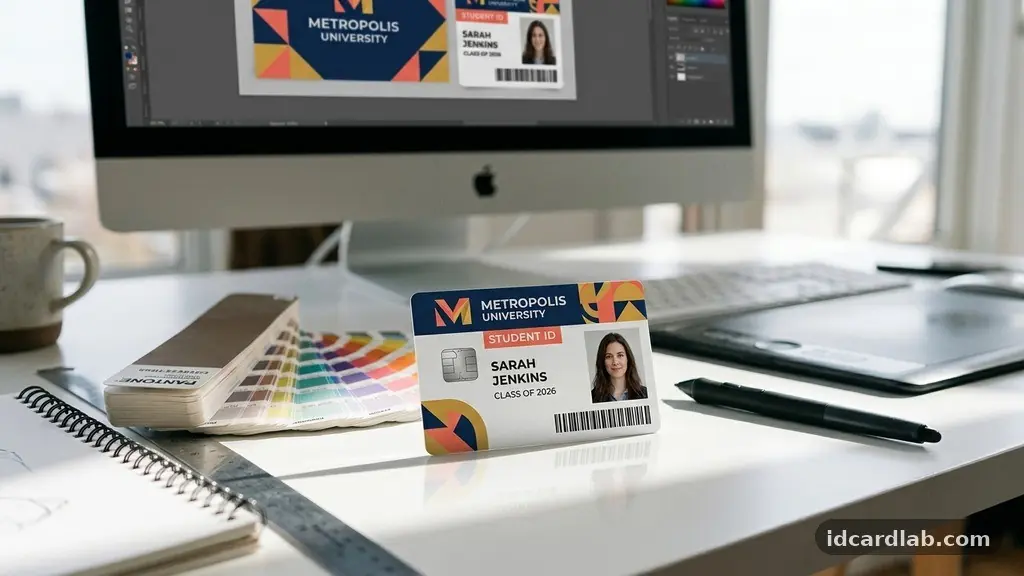
Effective Student ID Card Design: Essential Elements Every School Should Consider goes beyond simple identification; it represents a fundamental component of campus safety and institutional identity. When administrators approach the creation of these cards, they must balance physical security features with the need for a professional aesthetic that reflects the school’s core values.
By integrating modern technology, schools transform a basic piece of plastic into a versatile tool for access control and student services. This article examines the critical technical, visual, and functional components required to build a secure and durable credentialing system that serves students, faculty, and administrative staff effectively throughout the academic year.
Visual Identity and Branding Guidelines
A school’s visual identity is its most public-facing asset, and your card design should reflect this consistently. Adhering to strict school branding guidelines ensures that every student carries a card that feels like part of a unified institution. This involves more than just slapping a logo on a background; it requires a thoughtful use of color palettes, typography, and layout.
Consistency across different departments—such as athletics, library services, and administration—fosters a sense of belonging. When all cards share a common design language, it becomes easier for staff to verify authenticity at a glance. Avoid cluttered backgrounds that distract from the primary information, such as the student’s name and ID number.
High-resolution portrait photography remains the cornerstone of visual identification. Low-quality images can compromise security, making it difficult for teachers or security personnel to recognize the cardholder. Invest in a professional photography setup for enrollment days to ensure every student has a clear, well-lit portrait that meets standard identification criteria.
Core Physical Security Features
Beyond the visual, the physical construction of the card determines its longevity and resistance to fraud. Most modern institutions utilize high-quality PVC card stock because of its durability and ability to hold high-definition printing. Cheap materials often crack or peel within months, forcing the school to spend more on replacements.
To prevent unauthorized duplication, incorporate security layers that are difficult to replicate. Holographic overlays are an excellent choice here; they add a layer of complexity that deters counterfeiters while giving the card a professional, official finish. These overlays can be customized with school seals or patterns that shimmer when tilted.
Tamper-evident laminate is another essential protection. This clear film seals the printed surface, preventing someone from peeling back the layers to alter the name or photo.
If an attempt is made to remove the laminate, the card surface will typically show signs of damage. This simple physical deterrent makes tampering obvious to anyone checking the ID.
Technological Integration for Access Control
Modern campus environments rely heavily on access control systems, making the inclusion of internal technology a priority. Integrating smart card technology allows a single piece of plastic to serve multiple purposes, from entering buildings to purchasing lunch. RFID chips are the most common solution for proximity-based entry, allowing students to tap their cards against readers at doors or gates.
Contactless NFC technology has gained significant traction due to its speed and reliability. This allows for a frictionless experience where students don’t need to physically insert their cards into a reader. It reduces wear and tear on both the hardware and the card itself, extending the life of the credentials.
Magnetic stripe encoding is often used as a secondary or legacy system for library checkout or cafeteria systems. While less secure than encrypted RFID, it remains a cost-effective way to track data in environments where high-level encryption isn’t strictly necessary. Choosing the right mix of technology depends on your existing infrastructure and the specific needs of your facility.
Data Privacy and Security Compliance
Managing student data requires strict adherence to privacy regulations, such as FERPA in the United States. Every piece of information printed on the card or encoded within the chip must be necessary for the student’s role at the school. Avoid putting sensitive data like social security numbers or home addresses directly on the face of the card.
Data privacy compliance extends to how the cards are produced and stored before issuance. Ensure that your card printing software is encrypted and that access to the database is restricted to authorized personnel only. If a card is lost or stolen, the system must allow for immediate deactivation to prevent unauthorized access to the campus.
Regular audits of your credentialing system can help identify potential vulnerabilities. You should verify that your card issuance workflow doesn’t create unnecessary copies of student records. By limiting the data visible to the public, you protect students from potential identity theft while maintaining the functionality of the ID system.
Comparing Card Technologies
Choosing the right technology for your campus involves weighing the cost against the security requirements of your facilities. The following table highlights the common features found in modern student ID systems:
| Technology Type | Primary Use Case | Security Level |
|---|---|---|
| Magnetic Stripe | Library/Cafeteria | Low |
| RFID/Proximity | Building Access | Medium |
| Contactless NFC | Payments/Access | High |
| QR Code | Attendance Tracking | Low |
Essential Data Fields for Identification
Determining what information to include requires a balance between utility and privacy. At a minimum, every card should clearly display the student’s full name, a clear portrait, and a unique student identification number. This number is vital for administrative databases and allows for rapid lookups when a card is damaged or lost.
Many schools choose to add emergency contact information to the back of the card. This provides a vital resource during medical emergencies or when a student is off-campus. You might also include the school’s contact information or a clear policy on what to do if the card is found by a third party.
QR code integration is becoming a popular way to handle event check-ins or quick identification without requiring complex card readers. These codes can be scanned by a standard smartphone app, making them accessible for teachers in classrooms or coaches on the field. Keep the code isolated from the main identity area to prevent scanning errors.
Best Practices for Card Issuance
The logistics of issuing cards can be a major bottleneck if not planned carefully. Schools should establish a clear workflow that begins with data collection and ends with secure distribution. Pre-printing cards during the summer months helps avoid the chaos of the first week of school.
Consider the following list of items to include in your card production kit:
- High-definition card printer with dual-sided capability.
- Quality PVC card stock in various color-coded categories (e.g., student, staff, visitor).
- Lamination modules for adding tamper-evident security.
- Secure software for managing biometric authentication data if used.
- Professional photography equipment and backdrop.
- Durable lanyards or badge holders that prevent cards from bending.
Training staff on the issuance process is equally important. Those responsible for printing should understand how to handle the equipment to prevent jams and ensure print quality. A well-trained team can troubleshoot minor issues before they become major disruptions to the school day.
The Future of Digital Credentialing
We are currently seeing a shift toward digital credentialing, where physical cards are supplemented or replaced by smartphone-based IDs. This evolution is natural given the ubiquity of mobile devices among high school and university students. Digital wallets allow students to store their credentials securely, reducing the risk of losing a physical card.
However, physical cards remain a vital backup and a necessity for younger students who may not have personal smartphones. The ideal system is a hybrid approach. This maintains the traditional card for daily physical access while allowing for digital verification in other contexts.
As schools move toward more integrated campus management, the ID card acts as the primary key. You can find more information on the standards for secure identity documents through the Department of Homeland Security, which provides resources on security practices for physical credentials. Staying updated on these trends ensures your institution remains ahead of the curve.
Frequently Asked Questions
What is the most secure type of student ID card?
The most secure cards currently utilize encrypted contactless NFC or smart card technology. These cards are difficult to clone and can be programmed with sophisticated security keys that prevent unauthorized access to your campus systems.
How often should student IDs be updated?
Most institutions issue new cards at the start of each academic year or every two years. This ensures that the portrait on the card remains accurate and that security features are periodically refreshed to mitigate the risk of fraud.
Can we use QR codes instead of RFID chips?
You can use QR codes for simple tasks like event attendance or library checkouts, but they do not offer the same level of security or convenience as RFID for building access. QR codes are easily photographed and copied, whereas encrypted chips are significantly harder to replicate.
What should be done if a student loses their card?
The system should allow for the immediate blacklisting of the lost card’s unique identifier. Once deactivated, the card will no longer work for building access or payment services, and a replacement can be issued with a new, unique serial number.
Is it necessary to include a student’s address on the ID?
It is generally recommended to avoid printing sensitive personal information like home addresses on the face of the card. This protects student privacy and ensures that the card does not become a liability if it is lost or stolen.
Refining Your Campus Credentialing
Developing a high-quality Student ID Card Design: Essential Elements Every School Should Consider is an ongoing process that improves campus life and safety. By focusing on durable materials, robust security features like holographic overlays, and modern technology like NFC, you create a system that serves your community for years. Always prioritize the privacy of your students while ensuring that the administrative benefits of the card are fully realized.
As technology evolves, keep your system flexible enough to incorporate new methods of identification while maintaining the professional look that defines your school. Reach out to your technology department today to discuss how you can start updating your card program to meet these modern standards and provide a better experience for your students.