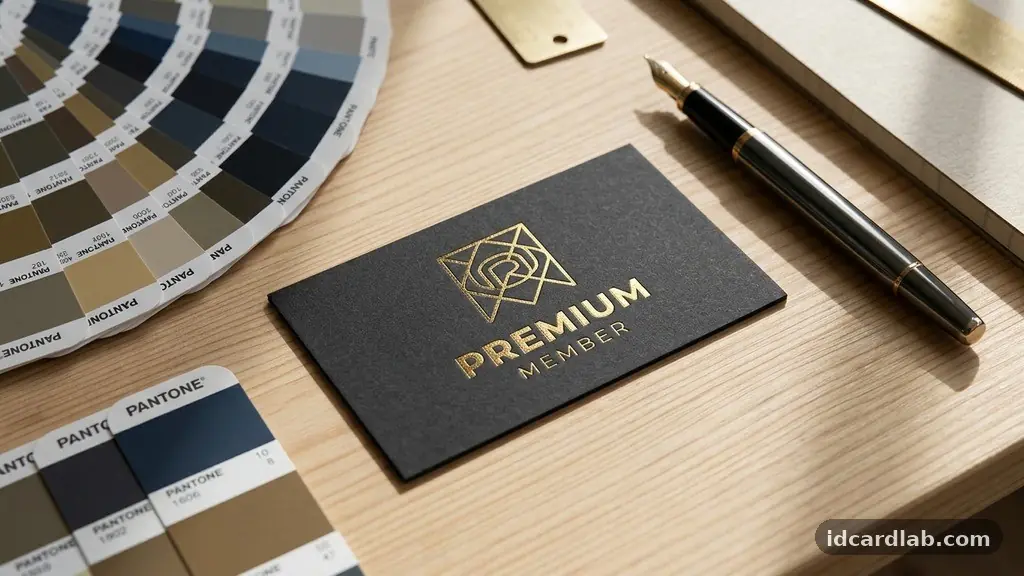
Creating effective membership card design ideas for clubs, gyms, and community groups requires a balance between visual appeal and functional utility. Your card acts as a physical touchpoint that reinforces your organization’s brand every time a member pulls it from their wallet. Whether you are looking for sleek, modern aesthetics or durable, high-utility options, the right design choices can significantly enhance member engagement and satisfaction.
This article explores how to integrate branding, security, and technology to create cards that your members will value. You will discover practical ways to elevate your current system while ensuring your cards remain a reliable asset for your daily operations.
Defining Your Visual Identity
The first step in developing your card is establishing a clear visual identity that aligns with your organization’s mission. A gym might opt for high-energy colors and bold typography to reflect a fast-paced environment, while a community group might lean toward warmer, more inviting tones.
Consistency is key, as your card should look like an extension of your website, social media, and physical space. Using your primary brand colors as the base for the card stock ensures instant recognition when members arrive at your facility.
Effective design relies on simplicity rather than clutter. A minimalist layout often works best, as it highlights your logo while leaving enough white space to avoid visual fatigue. You want the member to identify their status or tier immediately upon glancing at the card.
If you are printing your own materials, consider the impact of specific design choices on your overall brand perception. Professional, clean graphics signal to your members that your organization is organized, reliable, and worthy of their commitment.
Selecting Materials and Finishes
Card stock durability is a critical factor when designing for environments where cards see daily use. Gym members, for instance, might toss their cards into gym bags or leave them in sweaty pockets, which can quickly degrade low-quality materials.
PVC card printing is the industry standard for a reason; it provides the rigidity and moisture resistance necessary for long-term usage. If you want a more premium feel, consider the difference between a matte finish vs gloss.
A matte finish offers a sophisticated, subtle look that resists fingerprints and scratches, making it ideal for high-end clubs. Conversely, a gloss finish provides a vibrant, reflective surface that makes bright colors pop. For an extra layer of protection, you can implement a holographic security overlay.
This not only adds a level of sophistication but also prevents unauthorized duplication of your cards. Choosing the right material ensures that your investment lasts, reducing the frequency of reprinting and saving your organization money over the long term.
Integrating Modern Technology
Modern membership cards are more than just plastic identifiers; they are gateways to your facility’s infrastructure. Magnetic stripe encoding remains a popular choice for legacy systems, but newer technologies are rapidly gaining ground.
QR code integration is a highly flexible solution that allows you to link cards to digital profiles, event registrations, or check-in systems. Because QR codes can be printed directly onto the card surface, they are cost-effective and easy to implement.
For organizations looking to streamline access, near-field communication (NFC) is the gold standard. NFC chips allow for contactless entry, which is faster and more hygienic than swiping a magnetic stripe. While this technology requires a higher initial investment in hardware, the convenience it provides to your members is unmatched.
You should also consider how these technologies will interact with your existing management software. Before committing to a specific tech stack, ensure your chosen card format is compatible with your current hardware to avoid expensive system upgrades.
Strategies for Membership Tier Differentiation
Differentiating membership levels through physical card design is a powerful way to reward loyalty. You might use distinct color coding for different tiers, such as silver, gold, and platinum, to create a sense of exclusivity.
This visual hierarchy encourages members to upgrade their status to access better benefits or more attractive card designs. You can also vary the finish or the texture of the card to make higher tiers feel more substantial in the hand.
Tactile design elements like raised lettering or spot UV coatings can add a premium, physical dimension to your cards. When a member holds a card that feels different from the standard entry-level version, it reinforces the value of their higher-tier subscription.
This approach ties directly into loyalty program branding, where the physical object serves as a status symbol. Make sure the design remains cohesive across all tiers so that the organization’s core identity is never lost, even as the specific details change.
Comparing Card Technologies
Choosing the right technology depends on your budget, your facility’s size, and the specific needs of your members. The following table provides a quick comparison of the most common features found in modern membership card systems.
| Technology | Primary Benefit | Best For |
|---|---|---|
| Magnetic Stripe | Low cost, widely supported | Traditional, budget-conscious gyms |
| QR Codes | Versatile, easy to generate | Community groups, event tracking |
| NFC Chips | High speed, contactless | High-traffic, premium facilities |
| Barcode Labels | Simplest implementation | Small clubs with basic scanners |
Prioritizing Sustainability
As environmental awareness grows, many organizations are looking for ways to reduce their ecological footprint. Sustainable card materials, such as recycled PVC or biodegradable alternatives, are becoming more accessible for clubs and gyms.
Switching to these materials shows your members that your organization cares about the community’s future. It can be a strong marketing point that distinguishes your group from competitors who still use traditional, non-recyclable plastics.
Consider if you truly need a physical card for every member. Some modern clubs have shifted to digital-first models, where a mobile app replaces the physical card entirely.
If you choose to keep a physical card, you can offer a “green” membership option where members opt-out of receiving a card in exchange for a small discount or a perk. This reduces waste and aligns your operations with the values of environmentally conscious members.
Design Best Practices for Readability
A well-designed membership card must remain functional under various lighting conditions and usage scenarios. Avoid using overly intricate fonts that are difficult to read at a glance, especially for names or ID numbers.
Use high-contrast color schemes, such as dark text on a light background, to ensure that staff can quickly verify member information during peak hours. If you include a photo, ensure it is centered and large enough to be clearly visible.
Keep the layout organized by grouping related information, such as the member’s name and ID, in a consistent location. Many organizations follow the ISO/IEC 7810 standards for identification card dimensions, which ensures your cards will fit in standard wallets and card readers.
Adhering to these global standards prevents frustration for your members and ensures your cards work seamlessly with third-party hardware. A professional, readable card reflects the overall quality of your club’s management.
Essential Features for Your Membership System
When planning your card rollout, consider the specific data points that need to be captured. While you want to keep the design clean, certain elements are non-negotiable for smooth operation.
You should include a clear, unique identifier for each member to prevent duplication issues. Including a contact phone number or a website URL on the back of the card provides an easy way for lost cards to be returned or for members to find support.
* Unique member ID number or barcode
* Clear branding with a high-resolution logo
* Member’s full name and photo (optional but recommended for security)
* Organization contact information or website
* Expiration date or renewal information, if applicable
* Instructional text for lost or found cards
Frequently Asked Questions
Should I include a photo on the membership card?
Including a photo is highly recommended for security purposes, especially in gyms where unauthorized facility use can be a problem. It allows staff to verify that the person using the card is the actual member, which protects your revenue and enhances safety.
How often should I redesign our membership cards?
You don’t need to redesign your cards every year, but a refresh every three to five years can keep your brand looking modern. If you undergo a major logo change or update your facility’s technology, that is the perfect time to roll out a new card design.
What is the most cost-effective way to produce custom cards?
For small batches, desktop PVC printers are a great investment that allows you to print cards on demand. For larger organizations, outsourcing to a professional printing company often results in a lower cost per card and higher print quality, including specialized finishes.
Do I need to encode the card for security?
If you are using a simple check-in system, a printed barcode or QR code is sufficient. However, if your card acts as a key for door access or manages sensitive data, you should use encrypted magnetic stripes or NFC chips to prevent cloning.
How can I encourage members to actually carry their cards?
Make the card a part of a wider ecosystem by offering perks for carrying it, such as discounts at partner businesses or easy access to special event lines. If the card provides genuine utility beyond just unlocking the front door, members will be much more likely to keep it in their wallet.
Conclusion
Developing membership card design ideas for clubs, gyms, and community groups is an ongoing process that blends art with technical precision. By focusing on durable materials, intuitive layouts, and the right level of technology, you create a tool that serves your members and your staff effectively. Remember that your card is a physical reflection of your organization’s values, so prioritize clarity and quality in every design choice.
Start by auditing your current system to see where you can improve, whether that means upgrading to more sustainable materials or adopting faster check-in technology. Your members will appreciate the extra effort, and your operations will run more smoothly as a result of a well-executed design strategy.